Logistics Technology & AI Solutions for Smarter Supply Chains
We can help find the right systems for you to bring AI, automation, and predictive analytics into your operation. This changes from reactive safety and logistics into a proactive, self-improving system with the ability to make accurate and logical decisions.
Supply chain technology built around your KPIs
We help you select, integrate, and operate the right mix of AI, analytics, and automation — without forcing a rip-and-replace of systems that already work.
Move from reactive operations to predictive decisions
Artificial intelligence in logistics is not about replacing planners and operators — it is about giving them better decisions, faster. We implement AI use cases that are tied to specific KPIs: probabilistic demand forecasting, dynamic safety stock, lane-level rate benchmarking, ETA and exception detection, document automation, and load consolidation. Every model is measured by whether it moves a business metric, not by how impressive the demo looks.
See disruptions before they become delays
Predictive analytics turns your shipment, order, inventory, and external data into forward-looking signals. Know which lanes are likely to miss delivery windows, which SKUs are drifting toward stockout, and where demand is about to spike. The value is not the prediction itself — it is the operational response it triggers before the problem becomes expensive.
One operating picture across carriers, warehouses, and customers
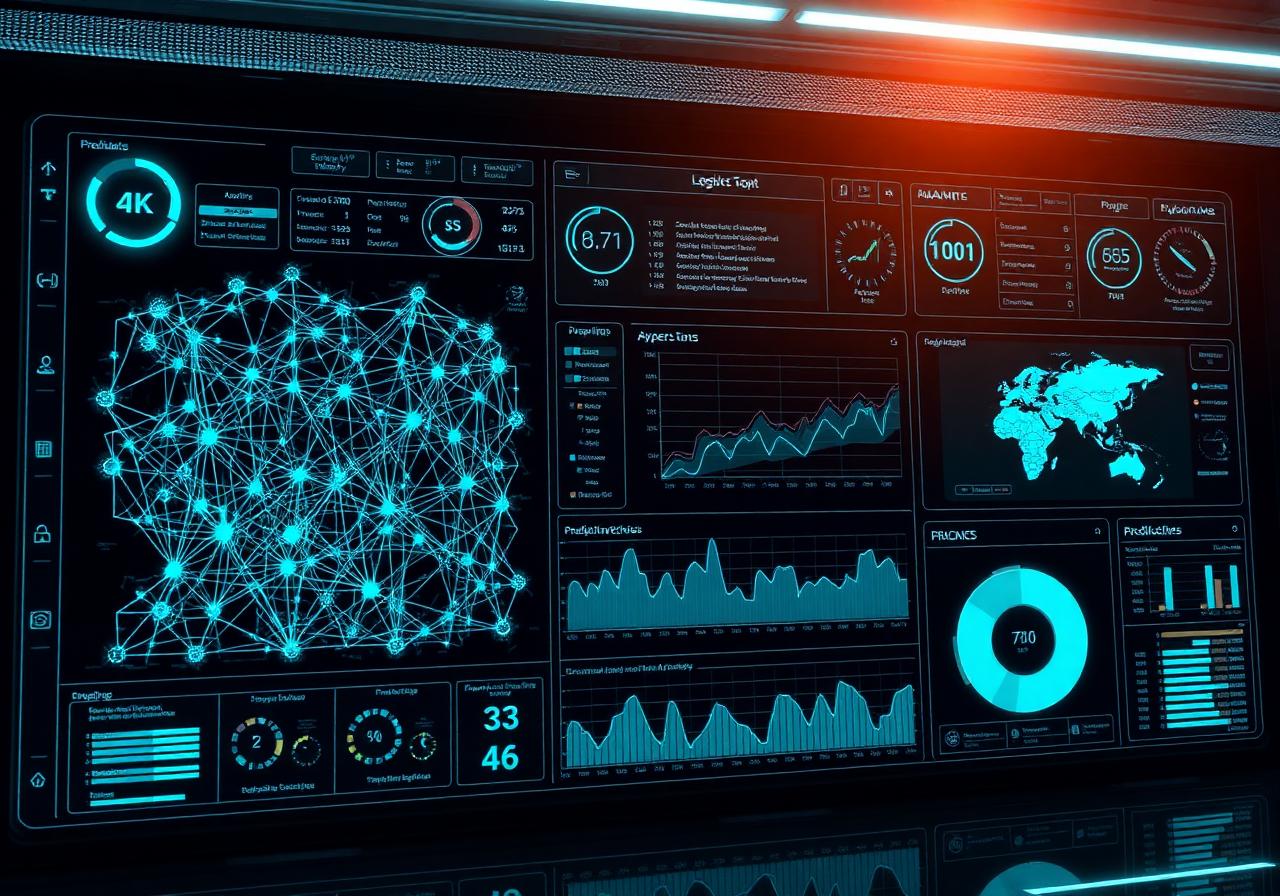
Real-time visibility connects data from carriers, yards, warehouses, IoT devices, and customer systems into a single source of truth. We help clients build dashboards and exception workflows that surface what matters: late loads, dwell events, temperature excursions, and customer-facing ETA changes. Visibility without action is just a prettier spreadsheet.
Automate the repetitive so your team can focus on the exceptions
Automation in logistics covers tendering, carrier selection, appointment scheduling, document processing, customs filings, invoice audit, and customer notifications. We map the workflows that consume the most manual hours, identify the decision rules, and automate them with human override for edge cases. The result is fewer errors, faster cycle times, and a team focused on exceptions instead of keystrokes.
Connect your tech stack instead of rebuilding it
Most logistics teams do not need another siloed platform. They need their existing systems to talk. We design integration layers that connect ERP, TMS, WMS, visibility providers, carrier APIs, and planning tools through APIs, EDI, and event streams. Clean data flows are the foundation of every AI and analytics project we run.
Measure what moves the business
We build executive and operations dashboards around KPIs that matter: landed cost per unit, perfect order rate, freight cost as a percentage of revenue, on-time in-full (OTIF), inventory turns, and cash-to-cash cycle. Every metric is tied to a decision owner and a cadence, so reporting becomes a management tool instead of a monthly review deck.
Technology that fits your operation, not the other way around
We are a logistics partner first and a technology advisor second. That means every recommendation is judged by whether it improves your real-world performance — not by whether it wins a software award.
- Vendor-neutral technology advisory — we recommend the right tool, not the one we resell.
- Integration-first delivery that protects your existing ERP, TMS, and WMS investments.
- Every AI and automation use case is scoped to a measurable KPI and a named owner.
- Real-time dashboards and exception workflows designed for operations, not just executives.
- Flexible engagement models from diagnostics to managed implementation and ongoing optimization.
Common questions about logistics technology and AI
Ready to put your supply chain data to work?
Get a technology assessment that identifies your highest-ROI use cases for AI, predictive analytics, and automation — scoped to your existing systems and KPIs.